
Category: Brain health

  • Is there a link between vitamin D and cognitive decline?

    Vitamin D deficiency is common. Analysis of National Health and Nutrition Examination Survey data has put the prevalence of deficiency in US adults at around 41 percent, with substantially higher rates among people with darker skin and those who get little sun exposure — which includes a great many homebound older adults.

    Vitamin D’s role in bone and muscle is well established. The open question is whether it does anything for the brain.

    What the study found

    Researchers analyzed data from the Health, Aging and Body Composition (Health ABC) study — 2,777 adults aged 70 to 79 — over four years, and published the results in the Journal of the American Geriatrics Society. Lower blood levels of 25-hydroxyvitamin D were associated with poorer cognitive performance over the follow-up period.

    Why “associated with” is doing a lot of work

    The researchers were explicit that no causal factor was identified. That caveat is not boilerplate. There are at least three ways this association could arise without vitamin D affecting the brain at all:

    • Reverse causation. People in early cognitive decline go outside less, eat less well, and are less likely to take supplements — all of which lower vitamin D. The decline could be causing the low vitamin D rather than the other way round.
    • Confounding. Low vitamin D tracks with frailty, illness, poverty and immobility, each of which independently predicts cognitive decline.
    • It could be real. Vitamin D receptors do exist in the brain, so a genuine mechanism is plausible.

    Distinguishing these requires randomized trials of supplementation, and those have so far not shown that giving vitamin D protects cognition. As with falls, the observational signal has not translated into a supplement that works.

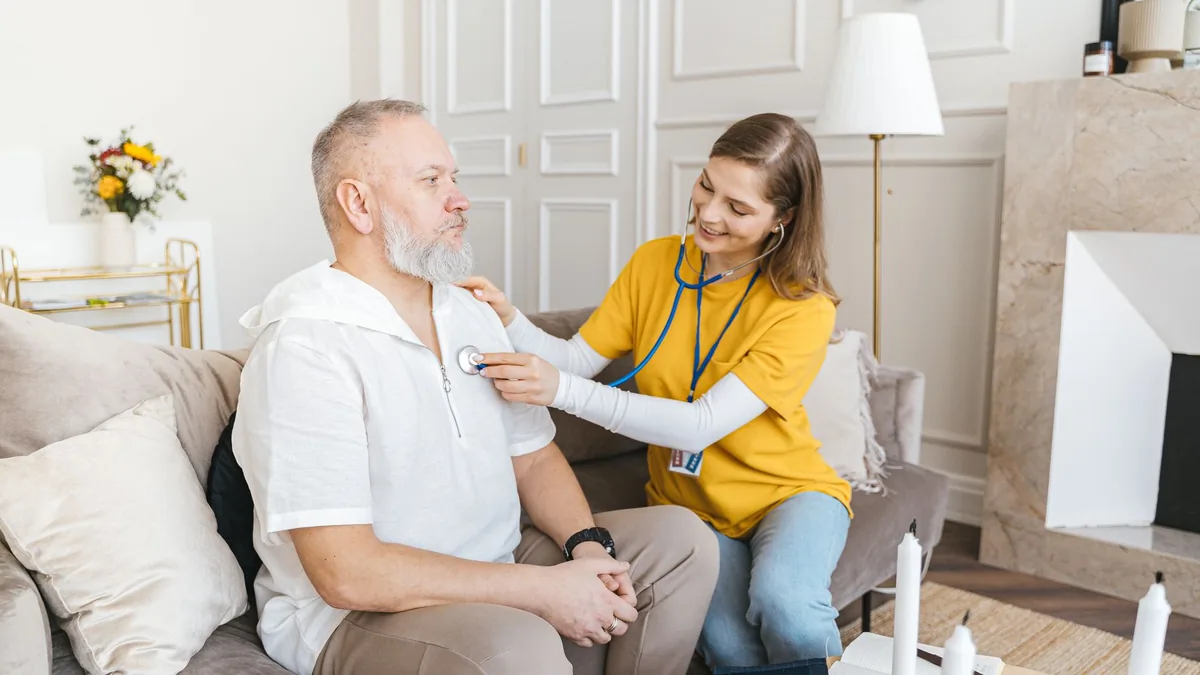
    What this means for day-to-day care. Do not start a supplement on your own initiative for someone you care for — that is a medication decision and it belongs to them and their clinician. What is squarely within a personal care attendant’s role is the ordinary stuff that shows up in the same research: getting someone outside when weather and safety allow, helping prepare real meals rather than whatever is easiest, and mentioning to the family when you notice a change in memory or confusion. Attendants often spot cognitive change before anyone else, because they are there every day.

    Sources

    This article is general information, not medical advice. It describes published research; it is not a recommendation for you or the person you care for. Never start, stop or change a prescribed medication because of something you read here — talk to the prescribing clinician first. Communicare Elite provides non-medical personal care through Missouri’s Consumer Directed Services program and does not provide medical advice or treatment.
  • Sauna use and dementia risk: what the Finnish study showed

    Dementia is not one disease. It is a group of symptoms — decline in memory, reasoning and the ability to manage daily life — produced by several different underlying conditions, of which Alzheimer’s disease and vascular dementia are the most common. Tens of millions of people live with it worldwide and the number is expected to keep climbing.

    Which is why an unlikely finding out of Finland got so much attention.

    What the study found

    The Kuopio Ischaemic Heart Disease Risk Factor Study followed 2,315 men aged 42 to 60 for around 20 years. Men who reported taking a sauna four to seven times a week were about 66 percent less likely to be diagnosed with dementia than men who used a sauna once a week, and about 65 percent less likely to be diagnosed with Alzheimer’s disease. The results were published in Age and Ageing.

    There was a dose-response pattern — more frequent sauna use, lower risk — which is one of the things that makes an association more credible. The analysis adjusted for age, blood pressure, alcohol, smoking, cholesterol and other conditions.

    Note the cohort: middle-aged Finnish men. An earlier version of this article implied the study was of older adults. It was not. These men were 42 to 60 at enrolment, in a country where regular sauna bathing is a lifelong cultural norm. Whether starting saunas at 80 does anything is simply not what was tested.

    What it does not show

    This is observational. Men who sauna four to seven times a week are different from men who sauna once a week in ways that are hard to fully adjust for — they are likely healthier, more social, more physically able, and more embedded in community life. Any of those could be doing the work.

    The researchers’ own hypothesis is cardiovascular: sauna bathing raises heart rate and lowers blood pressure in ways resembling moderate exercise, and vascular health is strongly tied to brain health. That is plausible and unproven.

    Heat is not risk-free for older or frail adults. Saunas and hot baths can cause dangerous drops in blood pressure, dizziness, fainting and dehydration, and they interact badly with several common cardiac and blood pressure medications. Anyone with heart disease, low blood pressure, or a history of fainting should ask their clinician before using one — and nobody unsteady on their feet should be in a hot room alone.

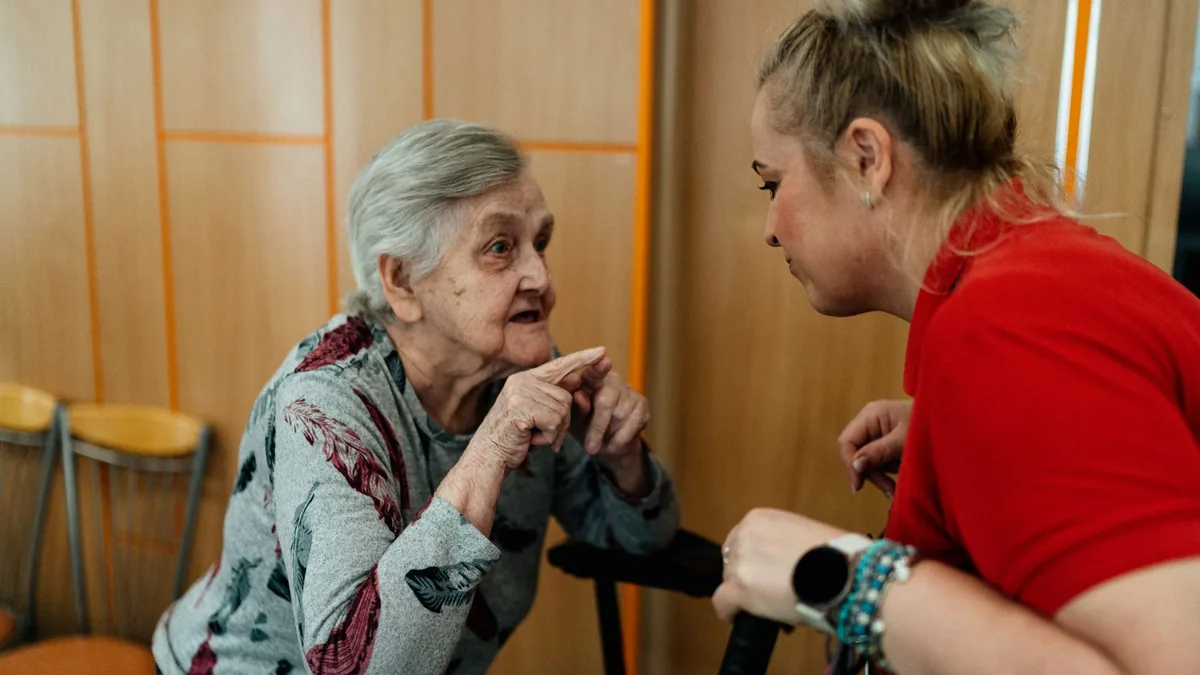
    What this means for day-to-day care. The transferable finding here is not “buy a sauna.” It is that cardiovascular health and brain health are tied together, and that social, physical routine appears to matter. Helping someone keep a regular routine, stay warm, stay hydrated and stay connected to other people is well within a personal care attendant’s role and is supported by far more evidence than any single intervention.

    Sources

    This article is general information, not medical advice. It describes published research; it is not a recommendation for you or the person you care for. Never start, stop or change a prescribed medication because of something you read here — talk to the prescribing clinician first. Communicare Elite provides non-medical personal care through Missouri’s Consumer Directed Services program and does not provide medical advice or treatment.

Communicare Elite

4477 Woodson Rd, Suite 106, St. Louis, MO 63134

Phone: (314) 809-6655
Text: (314) 886-5902
Fax: (314) 481-3037
Email: info@communicareelite.com

Monday–Friday, 9:00 AM–5:00 PM Central. An enrolled MO HealthNet Consumer Directed Services vendor.


Emergencies: call 911. Mental health crisis: call or text 988. Adult abuse, neglect or exploitation: Missouri hotline 1-800-392-0210.

Communicare Elite is a trade name of Communicare Elite, LLC. Consumer Directed Services is a MO HealthNet program administered by the Missouri Department of Health and Senior Services; eligibility and authorized hours are determined by the state, not by Communicare Elite. We serve Missouri only.

© Communicare Elite, LLC. All rights reserved.